PostalPast is a public archive of antique postcards whose every detail, from messages and printed text to stamps, postmarks, and places, is extracted, indexed, and searchable.
Every card is scanned on both sides at archival quality, its message transcribed, its places, postmarks, and dates recorded. The handwritten back of a postcard has always held the story; PostalPast makes it readable, and searchable, for the first time.

For genealogists, historians, educators, and collectors
Genealogists
Many cards carry names, addresses, and a message in the sender's own hand. Search a family name, follow an address across decades, or catch a town mid-change.
Local historians
Cards documented their streets, storefronts, depots, bridges, and disasters while they were still everyday scenes. They are street-level records of places that have changed or vanished.
Students and educators
A postcard is a primary source small enough to hold. Transcribed messages let students read the past directly, no paleography skills required.
Collectors and researchers
Publisher marks, division lines, and stamp boxes date a card. The archive pairs those details with postmarks and transcriptions where they exist, in a form you can search and cite.

The most valuable half of a postcard was locked away
Until now, the message, the address, the stamp, and the postmark were impractical to extract at scale, so they never made it into any catalog or database. PostalPast runs every card through an automated AI pipeline that reads both sides and turns that locked-away data into searchable records.
- Scanned on both sides at archival quality
- Transcribed with AI assistance, so handwriting that was previously inaccessible becomes searchable text
- Documented: postmarks recorded when present, production years estimated when not, depicted places identified where they can be placed
- Citeable, with a stable page for every card you can link to and reference
From a box in the attic to a searchable page
Every card in the archive follows the same path.
-
1
Acquire
Cards are purchased or accepted as donations from families, collectors, and estates, arriving from anywhere in the world.
-
2
Scan
Both sides are photographed at archival quality.
-
3
Extract
An automated AI pipeline reads the card: written and printed text, stamps, postmarks, places, and dates.
-
4
Publish
The card joins the public archive on its own stable page, citeable and linked forever.
PostalPast at a glance
- Name
- PostalPast
- Type
- Public digital archive of antique postcards
- Founded
- 2026
- Headquarters
- Built by J.M. in Lynchburg, Virginia, USA
- Website
- postalpast.com
- Core offering
- Scanned, transcribed, and indexed antique postcards with stable, citeable pages
- Scope
- Mostly American postcards, some worldwide, primarily 1890s-1950s
- Collection size
- Thousands of cards
- Acquisitions
- Purchases and donations accepted from the public
- Contact
- [email protected]
Frequently asked questions
Where do the postcards come from?
Cards are purchased or accepted as donations from families, collectors, and estates. Everything we take in is scanned, transcribed, and added to the public archive. If you have cards to sell or donate, visit the sell or donate page.
What happens to the physical cards?
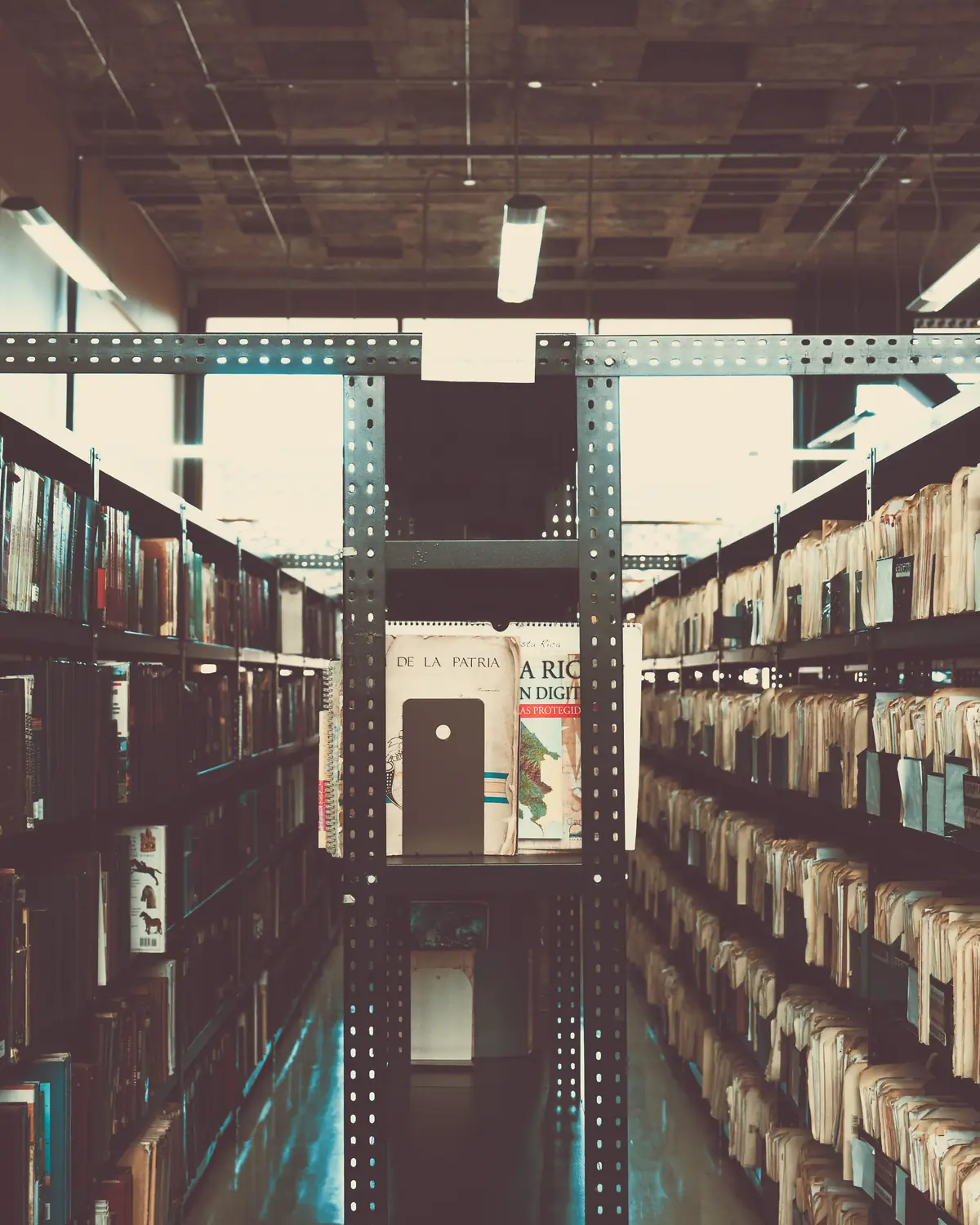
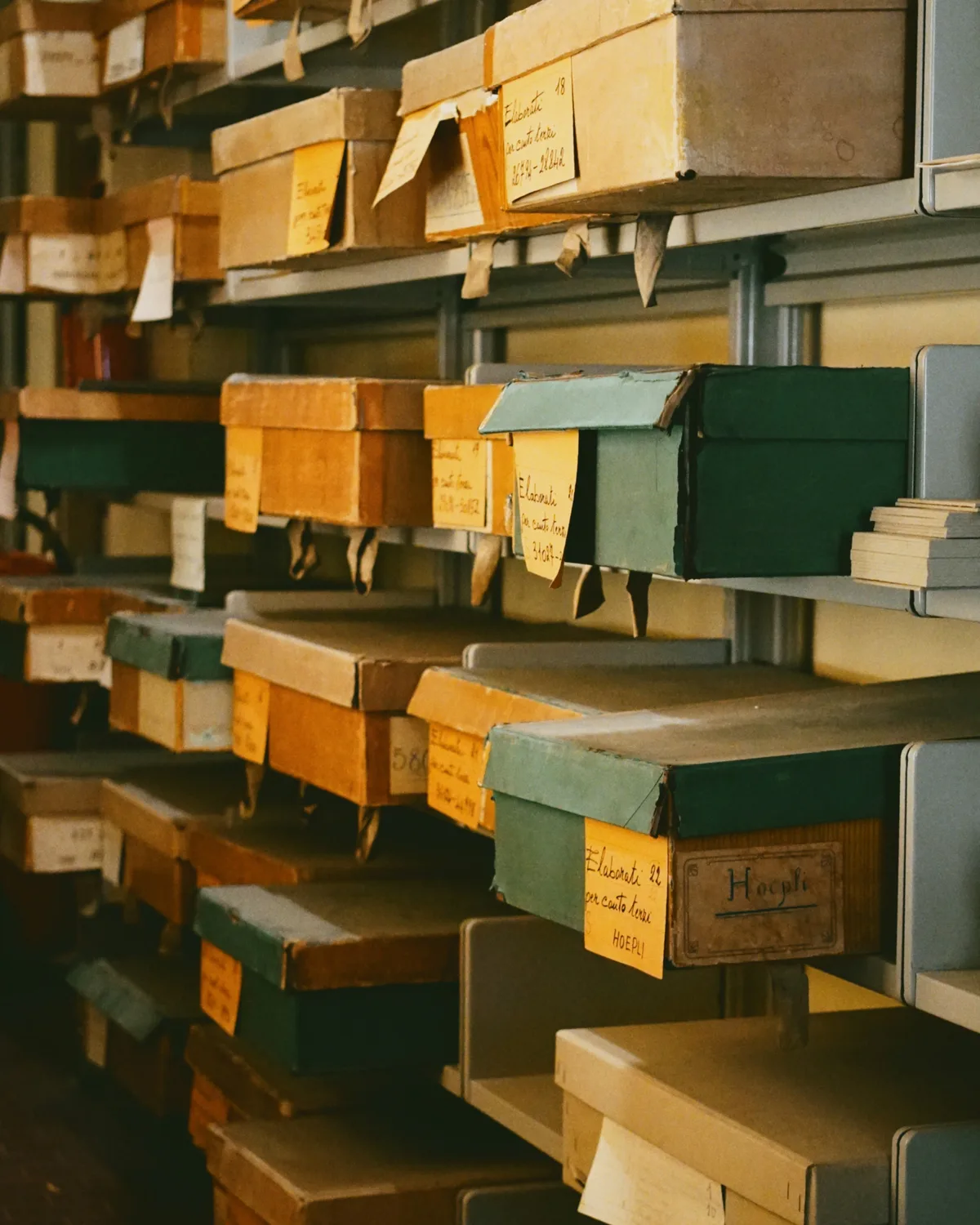
Nothing is discarded. Every card that enters the archive is kept in acid-free archival storage for safekeeping, and the originals remain available for in-person research.
How are the transcriptions made?
An automated AI pipeline reads each card, extracting written and printed text as well as stamps, postmarks, places, and dates. Curation is ongoing, so details are corrected and refined over time as the collection grows.
What can I search for?
Text written or printed on a card, plus places, postmarks, dates, stamps, and publishers. Details that were historically impractical to record are now indexed and searchable.
Can I cite or link to a card?
Yes. Every published card has its own stable page that you can link to and reference in research, writing, or teaching.
Do you buy postcards?
Yes, single cards or whole collections. See the sell or donate page for what we are looking for and how it works.
Can I use the scans?
Absolutely. Reach out and request to use the cards in your research. In many cases high-resolution photos can be provided at no cost, or the cards themselves can be made available for in-person analysis.
 Who we are
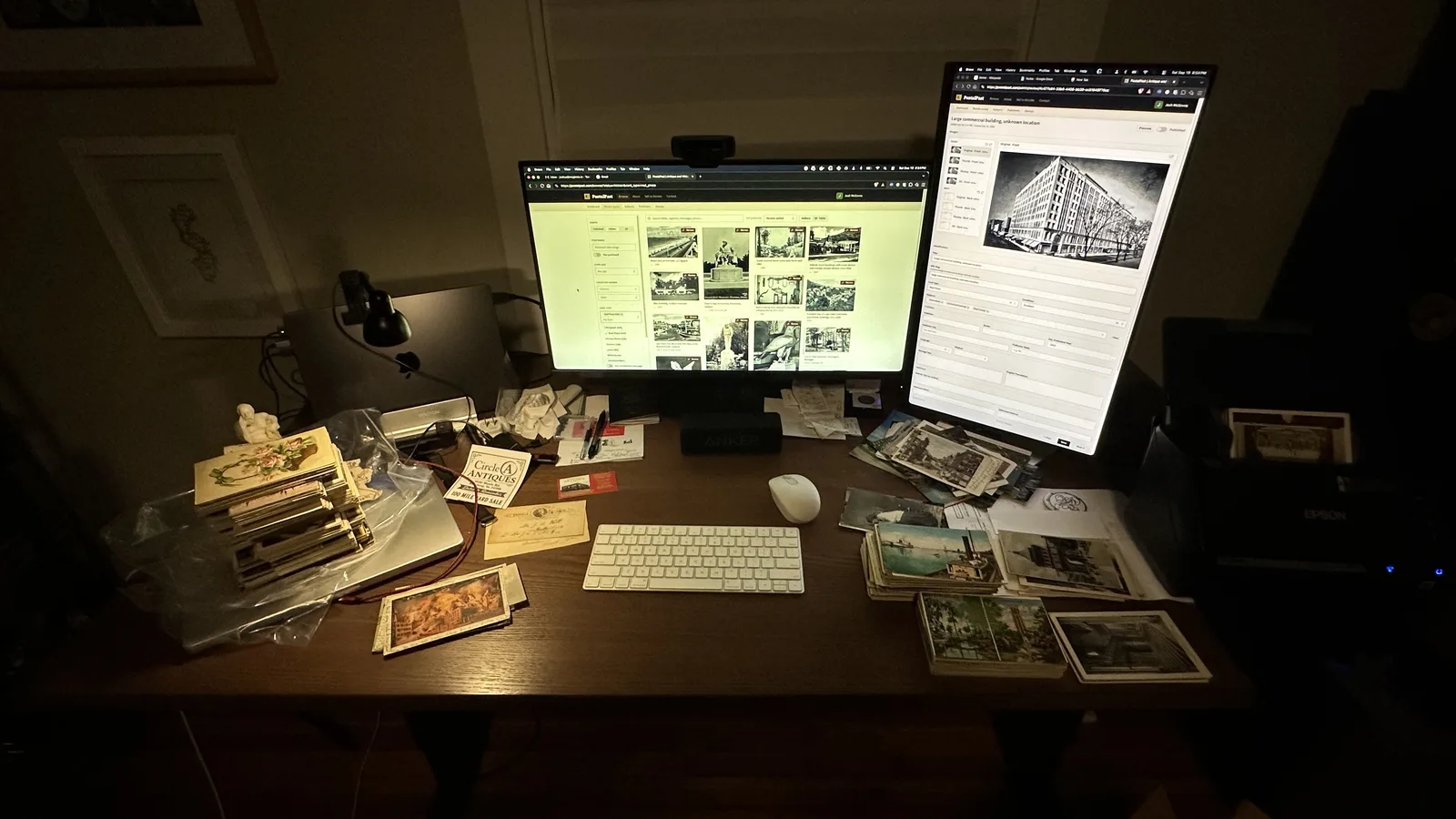
One archivist, one growing collection
PostalPast is run from Lynchburg, Virginia, and grew out of a personal collection that kept turning up more questions than answers. Cards are purchased and accepted as donations from families, collectors, and estates around the world, and every card we take in becomes part of the public archive.